Well Systems That Deliver Reliable Water Pressure
Well Pump & Tank Services in Summerville for properties with pressure loss, short cycling pumps, or failing well components
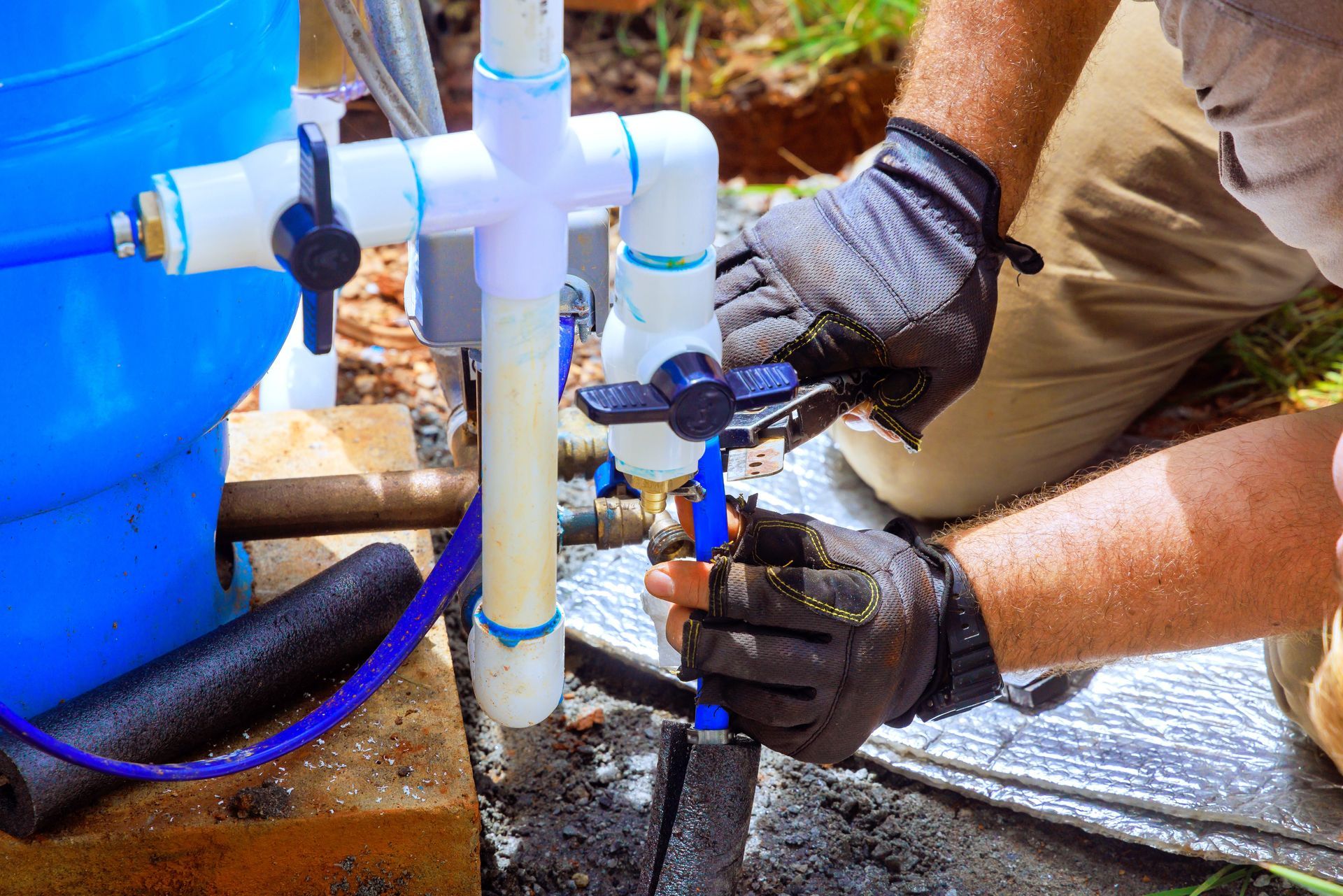
Well water systems depend on coordinated function between the submersible or shallow well pump, pressure tank, pressure switch, and control circuits to deliver consistent water throughout your home. When you notice pressure dropping during use, the pump cycling on and off rapidly, or no water reaching fixtures despite the pump running, the system needs diagnosis and repair. Acme Plumbing services shallow well pump systems typically used when water tables sit within 25 feet of the surface, and deep well systems that pull from aquifers significantly deeper, each requiring different equipment and access methods across Summerville properties.
Shallow well pump repair often involves replacing impellers, seals, or check valves that prevent backflow, while deep well pump work requires pulling the pump from the well casing to access motor windings, impeller assemblies, and electrical connections. Well tank replacement becomes necessary when the internal bladder ruptures or when corrosion compromises the tank's pressure vessel, both of which prevent proper pressure regulation. The tank creates a buffer of pressurized water so the pump doesn't activate every time you open a faucet, reducing wear and extending pump life.
Schedule a well system evaluation if you notice pressure fluctuations or if the pump runs more frequently than it did previously.
Why Proper Well Pump Service Works Long-Term
Well water system plumbing requires matching pump capacity to the well's recovery rate—the speed at which water refills the well after being drawn down. Oversized pumps can outpace recovery and run dry, damaging the motor, while undersized pumps fail to meet household demand during peak use. Pressure switch calibration determines when the pump activates and deactivates, directly affecting cycle frequency and pump longevity. Well tank sizing must accommodate the pump's flow rate and provide sufficient draw-down volume to avoid short cycling.
After well pump replacement or repair, water pressure remains steady across all fixtures even when multiple taps run simultaneously. The pump cycles normally—running for extended periods then remaining off while the tank supplies buffered water—rather than rapidly switching on and off. You'll hear the pressure switch activate less frequently throughout the day, indicating the tank is properly maintaining system pressure between pump cycles.
Deep well pump replacement involves more labor than shallow systems because the pump sits at the bottom of the well casing, requiring specialized pulling equipment to retrieve it. The process includes inspecting the drop pipe that carries water to the surface, verifying electrical connections remain waterproof, and confirming the pump sits at the correct depth to remain submerged even during seasonal water table variations. Setting the pump too high risks running dry, while setting it too deep unnecessarily increases electrical costs.
Answers to Frequent Service Questions
Well system owners often need clarification on what causes pump failures, how tanks function, and when replacement makes more sense than continued repairs.
What causes well pumps to fail prematurely?
Running dry from low water levels or oversized pump capacity, sediment entering the pump and damaging impellers, voltage fluctuations that overheat motor windings, and bearing wear from continuous operation all shorten pump life. Lightning strikes can also destroy control circuits and motor windings instantly.
How does a pressure tank prevent pump short cycling?
The tank contains a bladder that separates compressed air from water, allowing the tank to store pressurized water that supplies fixtures without activating the pump. As you use water, pressure drops gradually until it reaches the switch's cut-in point, then the pump refills the tank. Without this buffer, the pump would activate every time any fixture opened.
Why do shallow and deep well systems differ in repair complexity?
Shallow well pumps sit above ground or in a well house, providing easy access for service, while deep well pumps require pulling the entire assembly from depths that can exceed 200 feet in Summerville. Accessing deep well components involves disconnecting electrical wiring, the drop pipe, and safety rope before extraction.
When should well tank replacement happen?
Waterlogged tanks where the bladder has failed no longer provide pressure buffering, causing rapid pump cycling. Corroded tanks develop leaks or structurally weak points that risk rupture under pressure. Tanks typically last 10 to 15 years before these issues emerge, making replacement worthwhile when the pump itself needs service.
What indicates the well itself has problems versus pump issues?
If the pump runs continuously but produces little water, or if water contains increasing sediment, the well may have collapsed casing, screen blockage, or inadequate recovery rate. Pump problems typically manifest as electrical failures, pressure loss with normal water volume, or mechanical noise from worn bearings.
Acme Plumbing diagnoses well system problems by testing pump output, measuring static and dynamic water levels in the well, evaluating pressure tank condition, and checking electrical components before recommending repair or replacement. Arrange a well system inspection to identify the specific cause of performance issues and receive a detailed service recommendation.