Plumbing Installations Built to Code From the Start
New Construction & Remodeling Plumbing in Summerville for builders, contractors, and property owners executing construction projects or major renovations
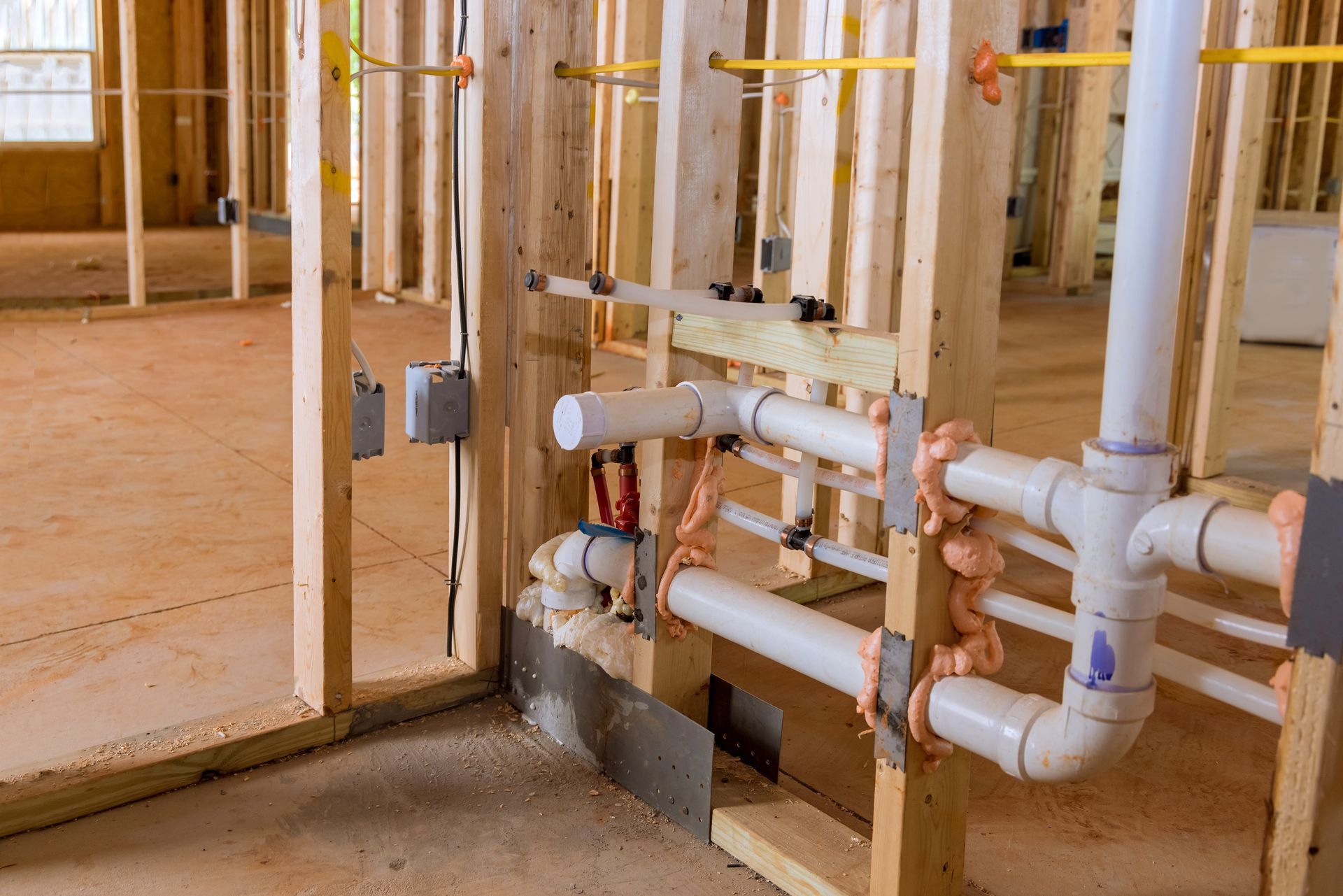
Construction sites and remodeling projects progress on schedule when rough-in plumbing, fixture installation, and final inspections happen without delays caused by code violations or installation errors. Acme Plumbing provides plumbing contractor services for new construction homes, commercial buildings, and remodeling work that relocates kitchens, adds bathrooms, or reconfigures existing spaces. Pipe installation during the rough-in phase establishes supply lines, drain-waste-vent systems, and gas piping before walls close, requiring precise coordination with framing, electrical, and HVAC trades to avoid conflicts in the structure.
New construction plumbing starts with underground work—sewer lines, water service entries, and foundation penetrations—then moves to rough-in once framing is complete. The process involves laying out fixture locations, calculating pipe slopes for drainage, sizing supply lines based on fixture unit counts, and installing vent stacks that prevent trap siphoning. Remodeling projects often require tying into existing plumbing, which means locating concealed pipes, verifying capacity to support additional fixtures, and working within the constraints of the existing structure.
Contact us during project planning to coordinate plumbing installation with your construction timeline and avoid scheduling delays.
What Proper Plumbing Installation Accomplishes
Commercial construction plumbing involves additional requirements beyond residential work, including backflow preventers, grease traps, floor drains with trap primers, and systems designed for higher simultaneous fixture use. Code compliance extends to pipe materials, support spacing, cleanout access, and dozens of other specifications that inspectors verify before issuing approvals. Plumbing for remodeling projects must integrate with systems installed under older codes, sometimes requiring upgrades to bring existing work into compliance when alterations exceed certain thresholds.
When installation completes and passes inspection, water reaches every fixture at adequate pressure, drains clear quickly without gurgling or slow flow, and no leaks appear at joints or connections. Fixtures mount securely, toilets flush completely without running, and water heaters deliver hot water within reasonable time frames based on distance from the unit. You receive documentation that permits were secured and inspections passed, protecting you from liability and ensuring work meets standards if you sell the property.
Plumbing installation quality affects the building for decades, making expertise during the rough-in phase critical. Incorrect pipe slopes cause chronic drainage problems, undersized supply lines reduce pressure, improper venting creates trap siphoning that lets sewer gas enter the building, and inadequate support leads to sagging pipes and joint stress. Addressing these errors after walls close involves demolition and reconstruction, multiplying costs compared to correct installation initially.
Questions Before Starting Your Project
Contractors and property owners planning construction or remodeling work need clarity on scheduling, permit processes, and what coordination the plumbing phase requires.
What happens during the plumbing rough-in phase?
Rough-in involves installing all supply, drain, and vent piping within walls, floors, and ceilings before drywall or finishes go up. The work establishes fixture locations, runs pipes to each point of use, and terminates with caps or plugs that remain until fixture installation later. Inspection occurs after rough-in to verify code compliance before pipes become inaccessible.
How do remodeling projects differ from new construction plumbing?
Remodeling requires working around existing structure and plumbing, often in tight spaces with limited access. You're tying into systems that may have limited capacity or outdated materials, and you must maintain water service to unaffected areas during construction. New construction provides open access and flexibility to route pipes optimally.
Why does commercial plumbing cost more than residential?
Commercial projects use larger pipe sizes, require more fixtures in concentrated areas, must install backflow protection and other safety devices, need systems designed for heavy simultaneous use, and face more stringent inspection requirements. Materials and labor standards differ significantly from residential work.
When should plumbing contractors be involved in project planning?
Early involvement during design prevents costly changes later when fixture locations conflict with structural elements, when water heater placement lacks proper venting, or when drain routing requires slopes that don't fit within floor assemblies. Coordination before construction starts avoids delays and change orders.
What permits do plumbing installations require in Summerville?
New construction and remodeling projects that add fixtures, relocate plumbing, or involve water heater replacement require permits and inspections. The permit process ensures work meets the South Carolina plumbing code and provides documentation for insurance and property transfers. Operating without permits creates liability and complicates future renovations or sales.
Plumbing contractor contract work through Acme Plumbing includes all coordination with local building departments, inspection scheduling, and punch-list completion to secure final approvals. Reach out to discuss your construction timeline and receive a detailed proposal covering scope, schedule, and permit requirements specific to your project.