Safe Gas Systems From Installation Through Inspection
Gas Line & Appliance Installation in Summerville for properties adding gas appliances, requiring leak detection, or needing permit-compliant installations
Gas pipe installation, appliance connection and setup, leak detection, and inspection services address both new construction needs and retrofits in existing homes. Acme Plumbing handles the complete process from sizing pipe runs based on appliance BTU requirements to securing permits and coordinating utility connections in Summerville. You need this service when converting from electric to gas appliances, when adding outdoor cooking equipment, or when odor or hissing sounds suggest a leak somewhere in the system.
Gas line work requires calculating pressure drop across the piping network to verify that each appliance receives adequate supply even when multiple units operate simultaneously. Proper installation includes pressure testing the system before concealing any lines, using approved materials rated for gas service, and ensuring correct venting for combustion appliances. Leak detection involves pressure testing, electronic sensing equipment, and soap solution application at all joints and connections.
Arrange an inspection to evaluate your current gas infrastructure before planning appliance upgrades or additions.
How Gas Line Installation Addresses Appliance Requirements
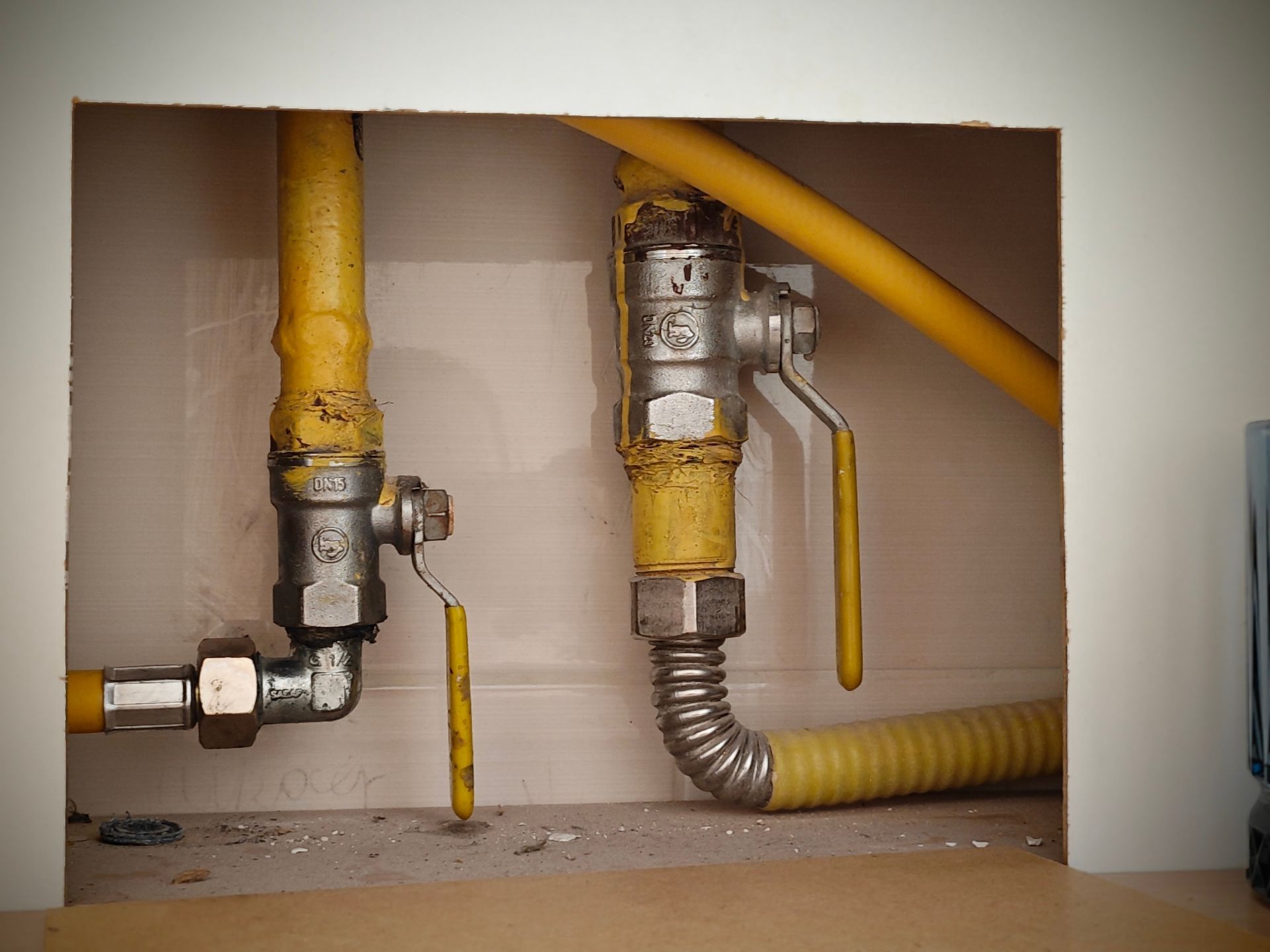
Your gas system must deliver sufficient volume and pressure to each appliance while maintaining safety margins throughout the network. The pipe diameter, length of each run, number of fittings, and total connected load determine whether the existing system can support additional appliances or requires upsizing. Gas appliance installation includes verifying proper clearances, connecting flexible connectors rated for the application, installing manual shutoff valves at each appliance location, and testing for leaks after hookup.
Once work finishes, you'll have documented proof that installations meet code requirements, which matters for insurance purposes and home sales. Appliances ignite reliably, maintain consistent flame characteristics, and vent combustion gases safely. Permits provide a record that work was inspected and approved by the local authority, protecting you from liability issues if problems emerge later.
Gas inspections verify that existing lines comply with current codes before new appliances are connected, particularly important in homes where previous work may not have been permitted. The evaluation identifies undersized piping, improper venting, or missing shutoff valves before you connect new equipment. Addressing these issues before they cause problems prevents carbon monoxide exposure, fire hazards, and gas accumulation in enclosed spaces.
Common Questions About This Service
Property owners typically ask about permit requirements, leak detection methods, and what's involved in extending gas service to new locations before starting projects.
What indicates a gas leak in a home?
The distinctive sulfur odor added to natural gas, a hissing sound near pipes or appliances, dead vegetation near underground lines, or unexplained increases in gas bills all suggest leaks. You should evacuate immediately and call from outside the building if you detect a strong odor.
Why do gas line installations require permits in Summerville?
Permits ensure that pipe sizing, materials, installation methods, and pressure testing meet safety codes designed to prevent leaks, explosions, and carbon monoxide poisoning. The inspection process catches errors before systems go into service.
How are gas pipe sizes determined?
Sizing calculations account for total BTU load from all connected appliances, pipe length from the meter to each appliance, acceptable pressure drop, and whether natural gas or propane supplies the system. Undersized pipes starve appliances of fuel, causing poor performance and incomplete combustion.
What happens during gas leak detection service?
Detection combines pressure testing where the system is isolated and monitored for pressure loss, electronic sensors that detect gas concentration in the air, and soap solution applied to joints and connections to visually identify the leak source. The process locates leaks before they create hazardous conditions.
When should gas lines be replaced rather than repaired?
Replacement becomes necessary when pipes show corrosion, when the system can't support added appliance load even with maximum allowable pressure, or when galvanized steel piping installed decades ago reaches the end of its service life and begins developing multiple leak points.
Acme Plumbing coordinates all aspects of gas line projects including permit applications, utility company notifications, inspections, and final approvals. Contact us to discuss your specific gas appliance plans and receive a detailed scope of work.