Consistent Hot Water When You Need It
Water Heater Services in Summerville for homes with inconsistent temperature, sediment buildup, or aging tank systems
Acme Plumbing handles water heater repair, replacement, installation, and maintenance across Summerville, addressing both conventional tank systems and tankless units. You need this service when recovery time slows, when water temperature fluctuates mid-shower, or when visible corrosion appears around connections. Sediment accumulation in tank systems reduces heating efficiency and shortens equipment lifespan, particularly in areas with higher mineral content in the water supply.
The work involves diagnosing heating element failure, thermostat malfunction, pressure relief valve issues, or burner assembly problems depending on whether your system runs on electric or gas. Tankless units require different troubleshooting focused on flow sensors, heat exchangers, and ignition sequences. Maintenance services include flushing accumulated sediment, testing temperature-pressure relief valves, inspecting anode rods in tank systems, and verifying proper venting on gas units.
Schedule an on-site evaluation to determine whether repair or replacement makes sense for your current system age and condition.
What Proper Water Heater Service Requires
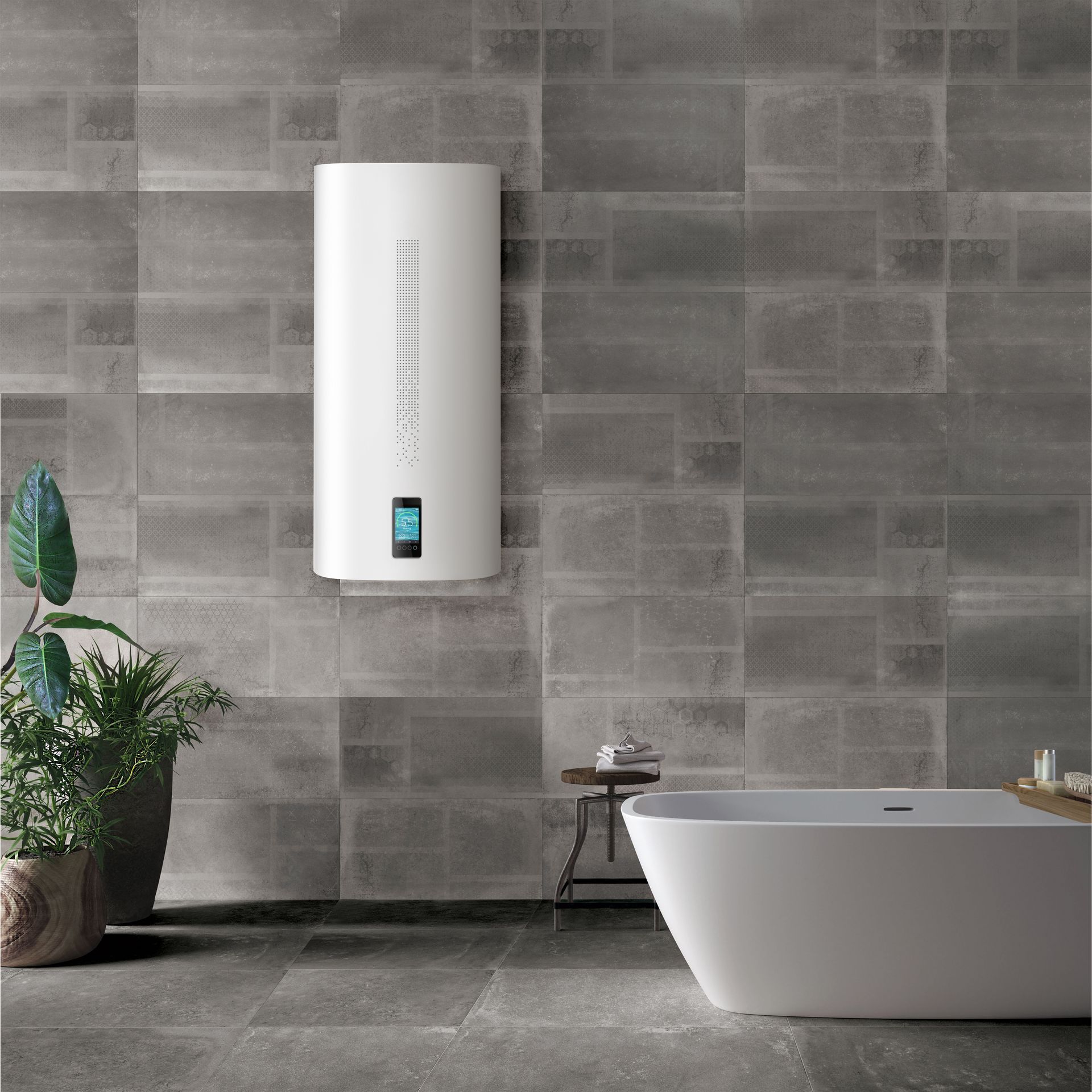
Your system's performance depends on matching the equipment capacity to actual household demand, ensuring proper venting on gas models, and maintaining clearance requirements around the unit. Tank water heaters need annual flushing to remove sediment that insulates the heating element from the water, forcing the system to run longer cycles. Tankless systems require descaling when mineral deposits restrict flow through the heat exchanger, which directly affects the unit's ability to maintain set temperatures during use.
After service completion, you'll notice water reaches the desired temperature faster and holds steady throughout use. Tank systems recover more quickly between draws, and tankless units maintain consistent output even when multiple fixtures run simultaneously. Acme Plumbing verifies that pressure settings fall within manufacturer specifications and that all safety controls function correctly before leaving the site.
Replacement decisions often hinge on whether repair costs approach half the price of a new unit, whether the existing system still meets code requirements, and whether efficiency upgrades would reduce monthly operating costs enough to justify the investment. Installation includes securing required permits, ensuring proper electrical or gas connections, installing code-compliant expansion tanks on closed systems, and setting up condensate drainage on high-efficiency models.
Questions Before Starting Your Project
Homeowners in Summerville often want to understand service timelines, maintenance requirements, and what factors affect system longevity before committing to repair or replacement work.
What causes water heaters to fail prematurely?
Tank corrosion from depleted anode rods, sediment buildup that overworks heating elements, and thermal expansion stress from improperly configured plumbing systems account for most premature failures. Regular maintenance extends service life significantly.
How do tankless systems differ in maintenance needs?
Tankless water heaters require annual descaling in areas with hard water, cleaning of inlet screens to maintain flow rates, and occasional replacement of ignition components. You avoid sediment flushing but must address mineral deposits that affect heat transfer.
When should replacement happen instead of repair?
Replacement makes sense when the unit exceeds its expected lifespan—typically 8 to 12 years for tank systems and 15 to 20 years for tankless—when multiple components fail simultaneously, or when energy costs justify upgrading to higher efficiency equipment.
What size water heater does a home actually need?
Sizing depends on peak hour demand rather than household size alone, calculated by adding up gallons per minute for fixtures likely to run concurrently. Undersized systems never catch up during high-demand periods, while oversized tanks waste energy maintaining unused hot water.
Why does water temperature fluctuate during use?
Fluctuation indicates sediment restricting heat transfer in tank systems, a failing thermostat, undersized equipment for the demand pattern, or in tankless systems, flow rate dropping below the minimum threshold needed to trigger the burner.
Acme Plumbing provides detailed assessments of current system condition and explains whether repair, maintenance, or replacement addresses your specific situation most effectively. Request a consultation to review your water heating needs and available equipment options.